Landscape

IDEAS

Architecture begins long before the first line is drawn.

I

Observe

Every project begins with observation.

  • Light.
  • Wind.
  • Vegetation.
  • People.
  • Customs.
  • Landscape.

Before intervening in a place, we seek to understand it.

To observe means to recognize what is already there: the conditions of the territory, the memory of a building, the ways in which people use a space, and the subtle dynamics that shape everyday life.

Every place contains information capable of guiding the project. The orientation of the sun, a current of air, an existing tree, a view, a pre-existing structure, or a particular way of living can become the starting point for an architectural decision.

That is why we do not begin with a predetermined form. We begin by asking questions.

  • What does this place need?
  • What deserves to remain?
  • What can we transform?
  • How can architecture improve the way a place is inhabited?

To observe is to learn to recognize possibilities before drawing them.

Before designing, we must learn to see.
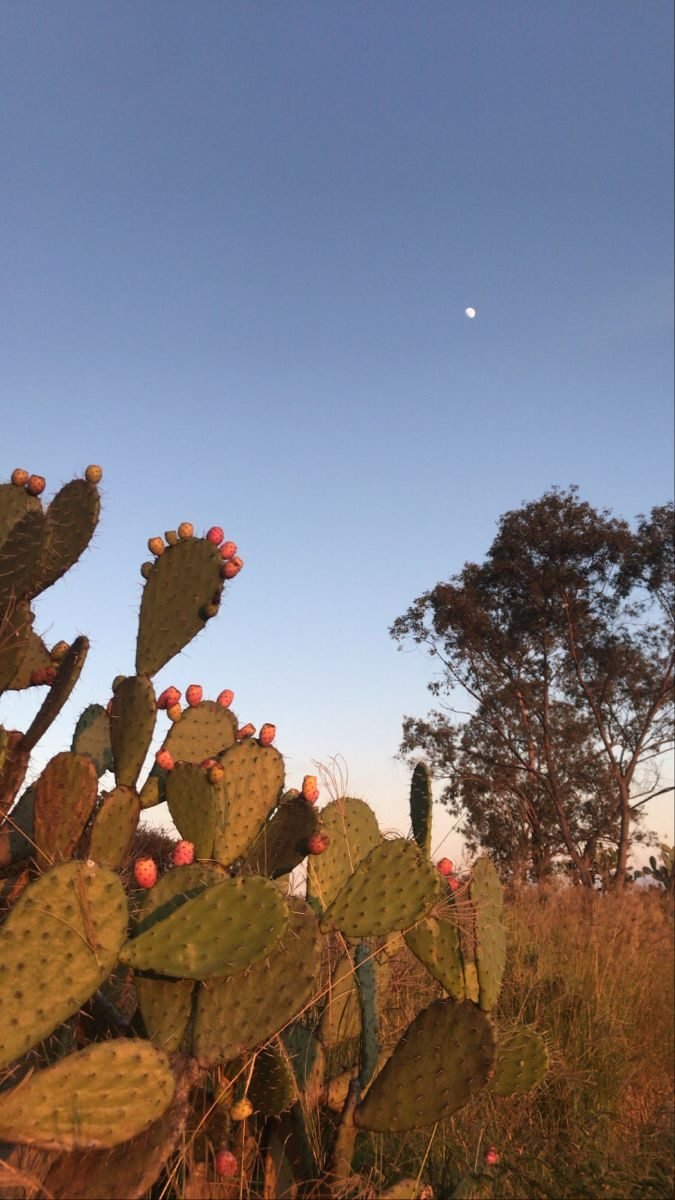
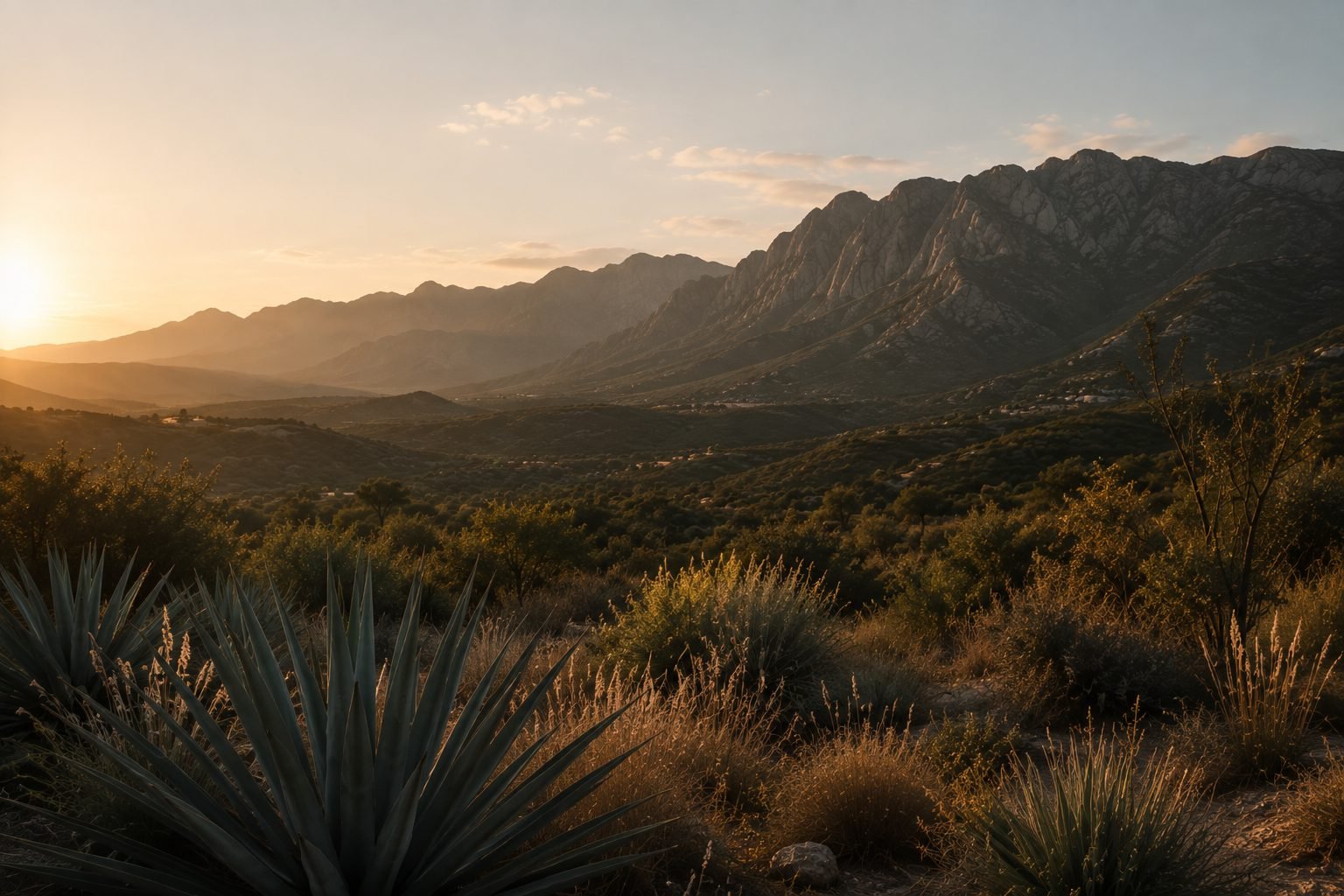
Territory in Linares
LINARES, NUEVO LEÓN
II

Imagine

Every project proposes a different possibility for inhabiting.

After observing and understanding a place, the search begins for what does not yet exist.

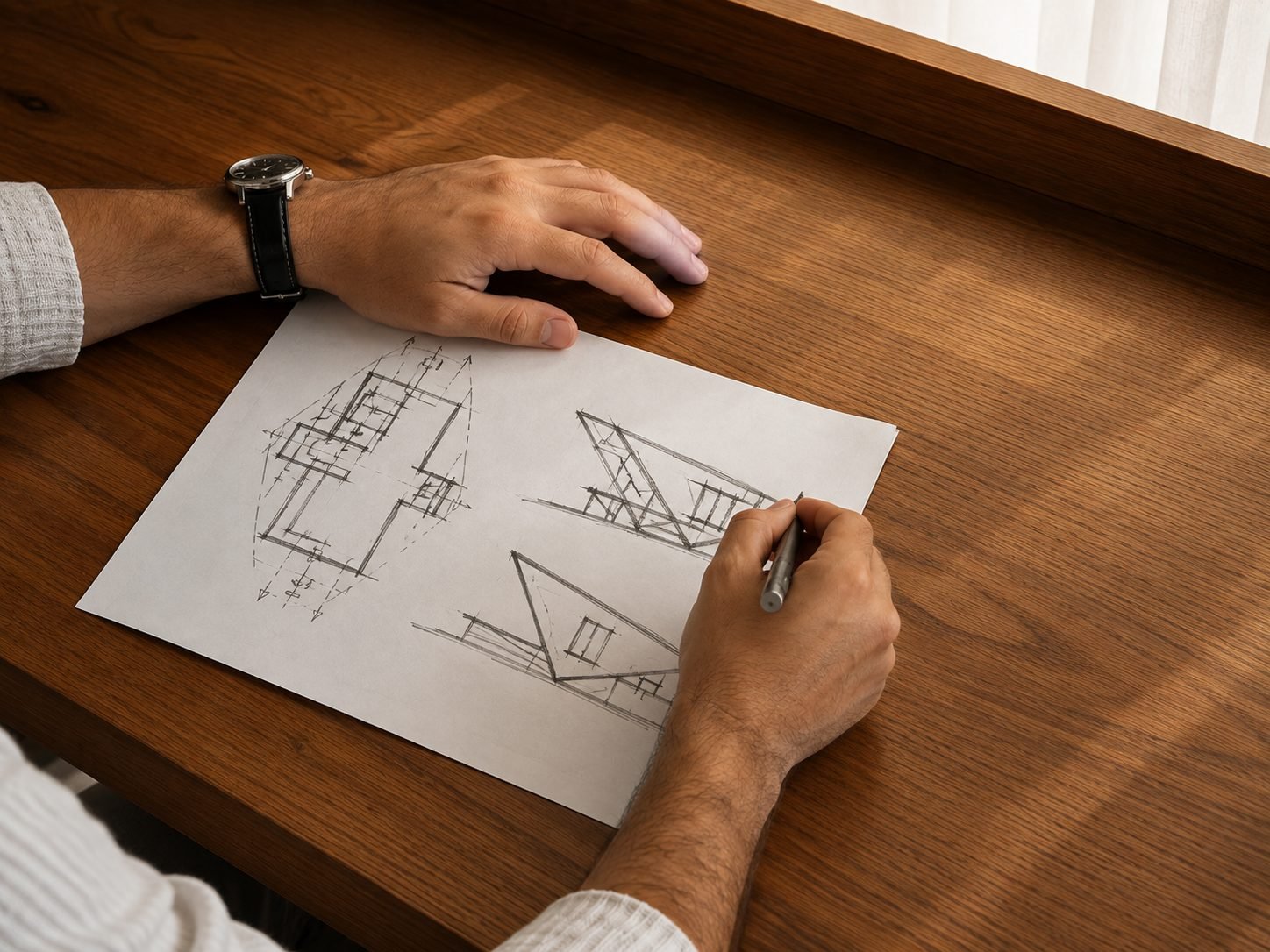
To imagine does not mean imposing a form, but exploring possibilities. Testing relationships, sequences, proportions, voids, and ways of engaging with the landscape until discovering a response capable of emerging from the particular conditions of each project.

Drawing is part of this exploration. Sketches, diagrams, and models allow us to think, question, and transform an idea before turning it into architecture.

We do not seek universal answers. A house, a refuge, a collective space, or an intervention within an existing structure raises different questions. Each person, each landscape, and each context calls for a response of its own.

To imagine is to make room for possibility: to ask ourselves not only what we can build, but how we want it to be lived.

Every context calls for new questions.

Project sketches, Laguna Azul
SKETCHES · LAGUNA AZUL
III

Build

Building is about making a way of living possible.

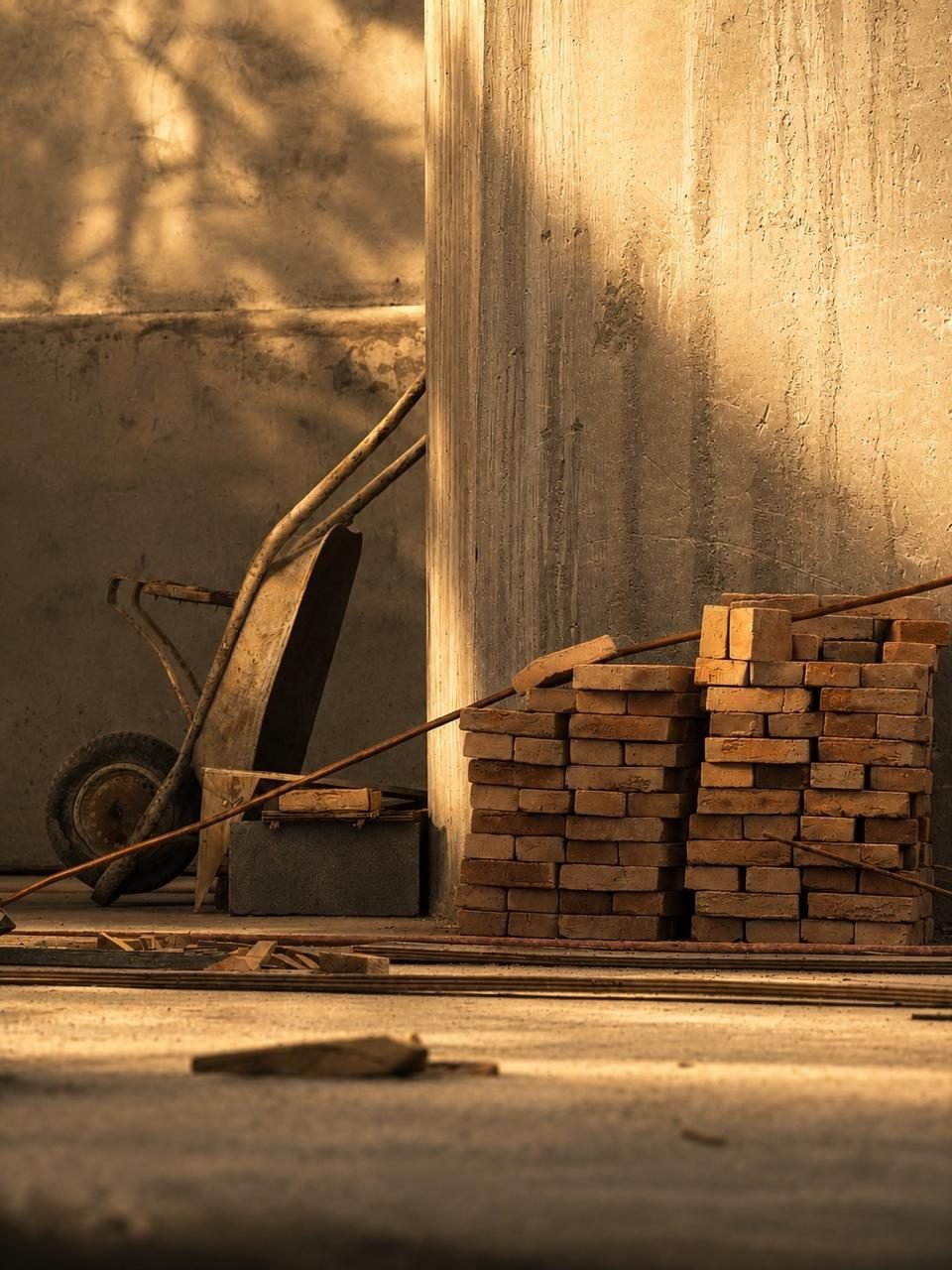
Architecture takes on another dimension when ideas encounter matter. What once existed as a drawing begins to acquire weight, texture, temperature, and scale.

Building means understanding materials, their possibilities, and their limits. Structure, connections, light, and the way each element ages are all part of the decisions that define not only how a space is built, but also how it will be experienced over time.

We are interested in an architecture where materiality is not merely an aesthetic matter, but part of the experience of inhabiting. Materials that can be touched, surfaces that respond to light, and spaces capable of transforming through use, climate, and time.

Construction is also a collective process. Architects, builders, craftspeople, and clients all take part in transforming an idea into a real place.

To build is to accept that architecture continues to evolve beyond the drawing.

Time also designs.

Construction in progress
CONSTRUCTION
IV

Learn

Each project transforms the way we understand the next.

We understand architecture as a continuous process of learning. Designing means observing, questioning, testing, making mistakes, and looking again. Each project leaves behind open questions and knowledge that accompany those that follow.

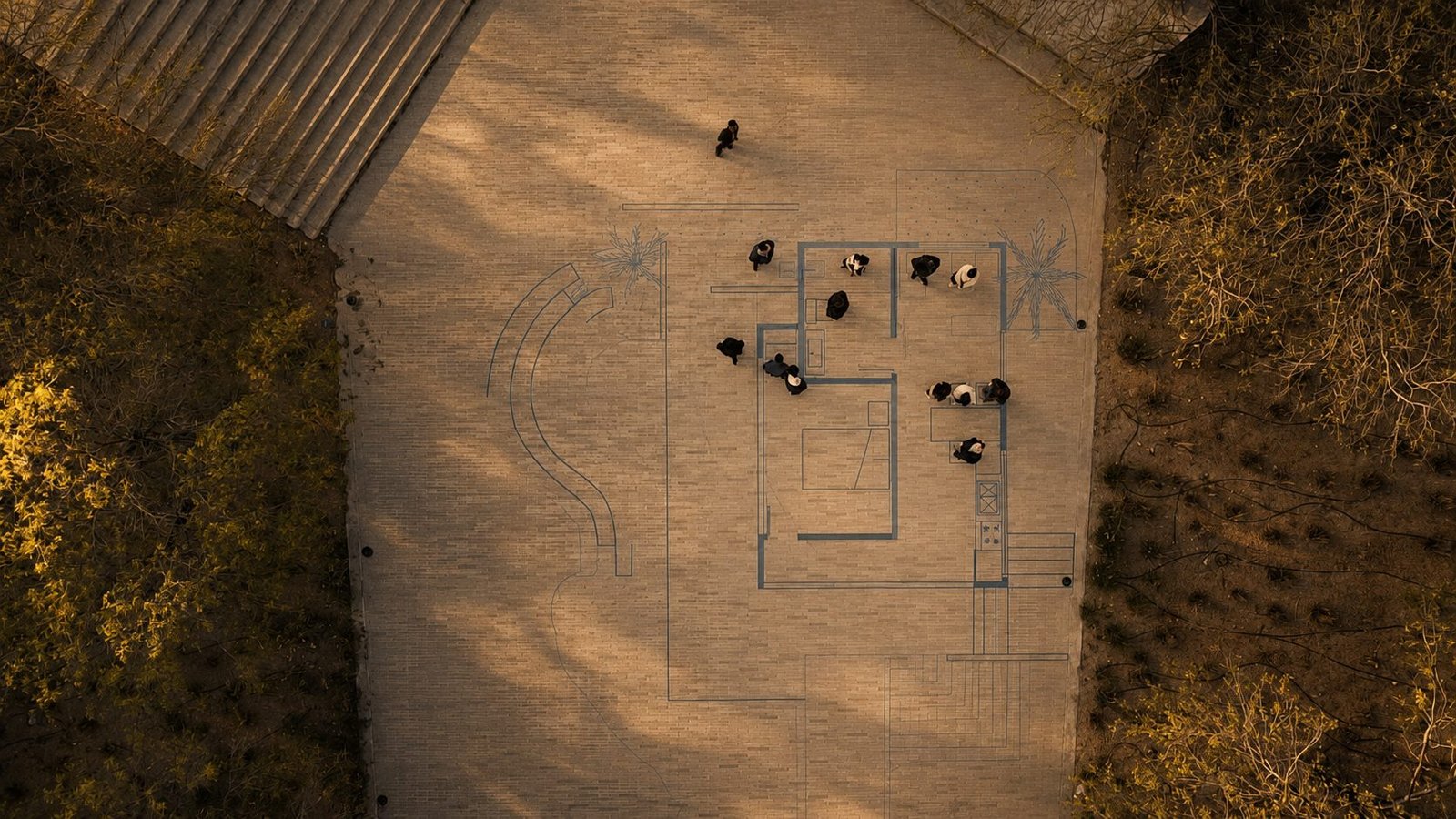
Practice, research, and teaching are all part of the same process. Teaching challenges us to question what we take for granted; research expands the way we understand territory and ways of living; designing allows us to test these ideas against real conditions.

We are interested in a practice open to dialogue and the exchange of knowledge. Learning from other disciplines, from those who build, from those who teach, and, above all, from those who inhabit the spaces we design.

Because architecture is never a finished body of knowledge. It is a discipline that evolves with people, places, and time.

To learn is to keep open the possibility of asking again.

Each project is also the beginning of the next.

Learn: process in the classroom
LEARN